How To Open a Boba Tea Shop: Step-by-Step Guide & Startup Costs (2026)
How to open a profitable boba tea shop in 2026: an 8-step guide covering demographics, business plan, startup costs, location, menu, suppliers, technology, marketing — plus best practices and FAQ.
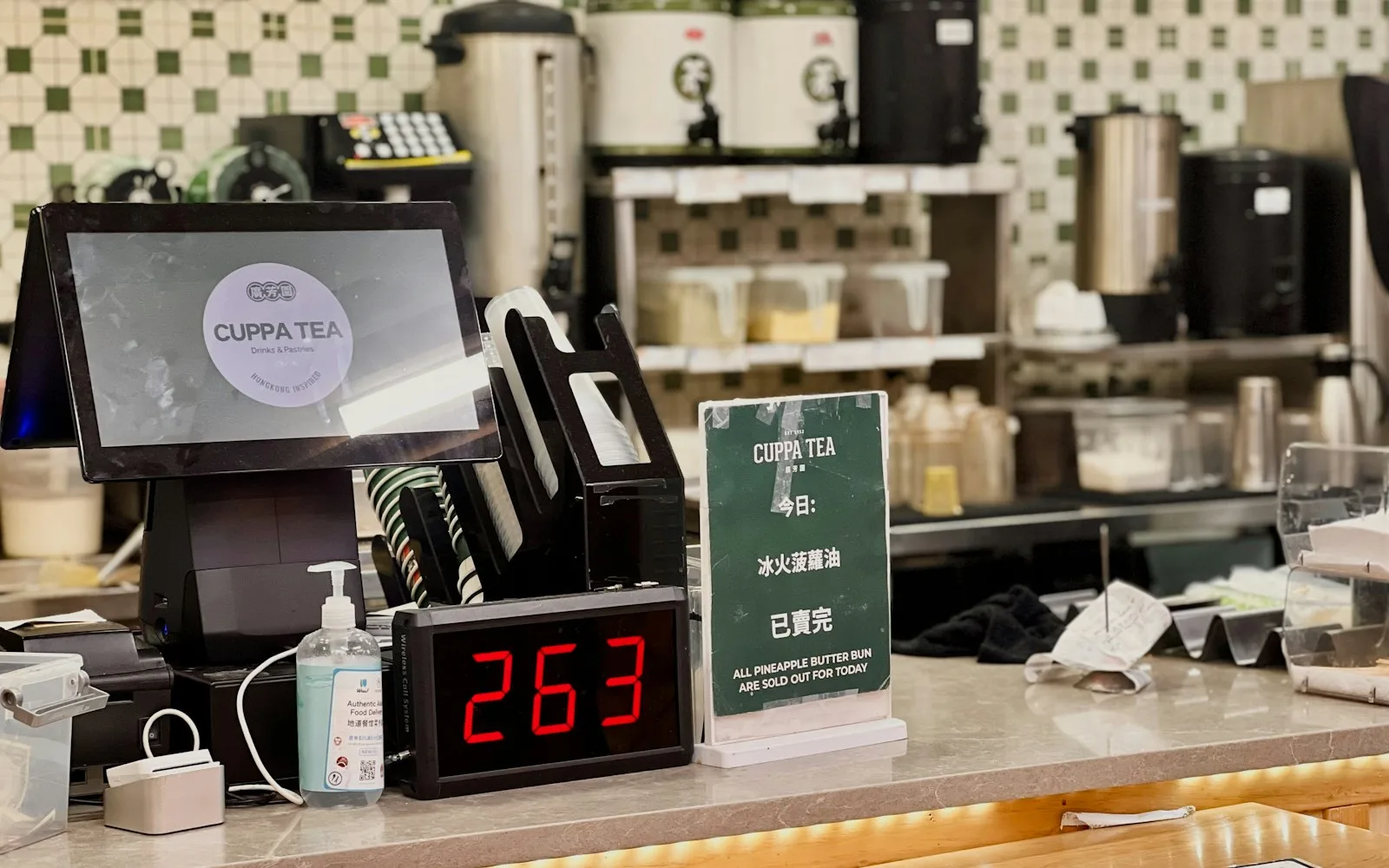
Bubble tea — boba — has been popular across Asia for decades, and over the last several years the chilled milk tea with tapioca pearls has become hugely popular in the U.S. The global bubble tea market was valued at about $2 billion in 2019 and is projected to grow past $3 billion by 2027. That's why boba shops have become such a popular business idea. If you're thinking of opening your own, here are the steps to open and run a successful one.
Two early decisions shape everything downstream: who your customer is and carry-out vs. dine-in. Nail those and the menu, location, staffing and tech all follow.
8 steps to open a successful boba shop
1) Understand your demographics and identify your customers
Start by researching your demographics to find your core customer base. In the U.S., boba is most popular with younger generations and college-aged adults — surveys have found the large majority of people in their twenties buy it regularly. That doesn't mean older customers won't be interested, but do the research, then apply it to the teas and treats you serve.
2) Write a business plan and determine startup costs
No business succeeds without a plan, and a boba shop is no different. Beyond organizing your vision, the plan is where you determine how much you need to open and to run — vital information if you're pitching investors. Analyzing the finances also lets you predict profit margins, another key piece of a thorough plan. Estimate rent, buildout, equipment, ingredients, staff and marketing, and build in a buffer.
3) Decide between carry-out or dine-in
Decide this upfront, because it sets how large a space you need, how many staff you hire, and how you decorate. If you're unsure, weigh the trade-offs:
- Smaller storefront
- Fewer staff to hire
- More resilient if dine-in is disrupted
- Fewer in-store upsell moments — lean more on digital and online ads
- Customers linger and may spend more
- Becomes a community gathering spot (good for business)
- More in-store advertising moments
- Higher operating costs — space, materials, ingredients, staff
4) Choose a busy, open location
Even with dine-in, location matters. Boba shops are small, so pick a busy, open area to maximize walk-ins — across from a park in a college town, or a known tourist area in a big city. Choosing a spot already populated with your target demographic also means you rely less on paid advertising.
5) Design your menu to cater to your demographics
Use the demographic research from step 1. Bubble tea is highly customizable, so keep the menu organized and easy to understand. Common ways to structure it:
- Type of drink: milk tea, powder/taro milk tea, fresh tea drinks (green, black, fruit-infused), and smoothies.
- Ice and sugar levels: no/little/regular ice; no/little/regular sugar.
- Tapioca and toppings: original pearls, popping boba (blueberry, honey, kiwi, mango, pomegranate), coffee or lychee jelly, and more.
Teas will be the bulk of the business, but consider complementary treats — Taiwanese snow ice, Hong Kong bubble waffles, ice cream — or a partnership with a local bakery. And align the menu's design with your branding: boba menus traditionally lean colorful and pop-art, which appeals to a younger crowd and photographs well.
6) Find a reliable cassava root or tapioca starch source
Tapioca and cassava are key ingredients, so secure a high-quality, dependable source early — research distributors while you build the business plan. In a larger metro you may have one nearby; in a rural area you may need a reliable online source. A good distributor often also carries straws, syrups, creamers, tea leaves, stirrers, shakers and sealing film — one vendor for everything saves time and money.
7) Invest in the right technology
There are hundreds of options, so choose strategically for your format. For a dine-in shop, consider a self-ordering kiosk like INFI's: with all the customization boba allows, letting guests build their own order boosts accuracy and store efficiency — and it upsells on every order, which is why we see kiosks lift average order value 15–30%. For a carry-out shop, prioritize commission-free online ordering — it's expected now, it can connect to delivery apps and integrate with your POS and site, and keeping it direct protects your margin. (More on managing a shop with online ordering.)
8) Open up shop and create buzz
As opening day nears, run a marketing plan to get people through the door — tease the opening a month or two out, put up local signage, mail coupons to nearby homes. Start mingling with other small-business owners too; it fuels word-of-mouth and gives you a layer of community support.
Best practices: boba shop edition
Use Instagram (and TikTok) to drive engagement
Boba is among the most photogenic things in food, which makes image- and video-first platforms a perfect fit. Build a colorful, consistent feed of your drinks, tease new flavors, gather input from followers on what they want next, and run giveaways and promos to keep customers coming back.
Create a rewards program
A rewards program is a low-cost way to keep customers engaged — most consumers favor businesses that reward them. A few tips:
- Decide how it works. What's the goal, how is it structured, how will you measure results?
- Decide how to track it. A simple punch card, or a digital program tied to customers' contact info you can market to? (Digital wins — it captures data.)
- Choose the reward. For example, a free drink of their choice for every ten purchased.
INFI's loyalty runs the same across the counter, kiosk and online, so guests earn and redeem consistently however they order.
Consider digital signage
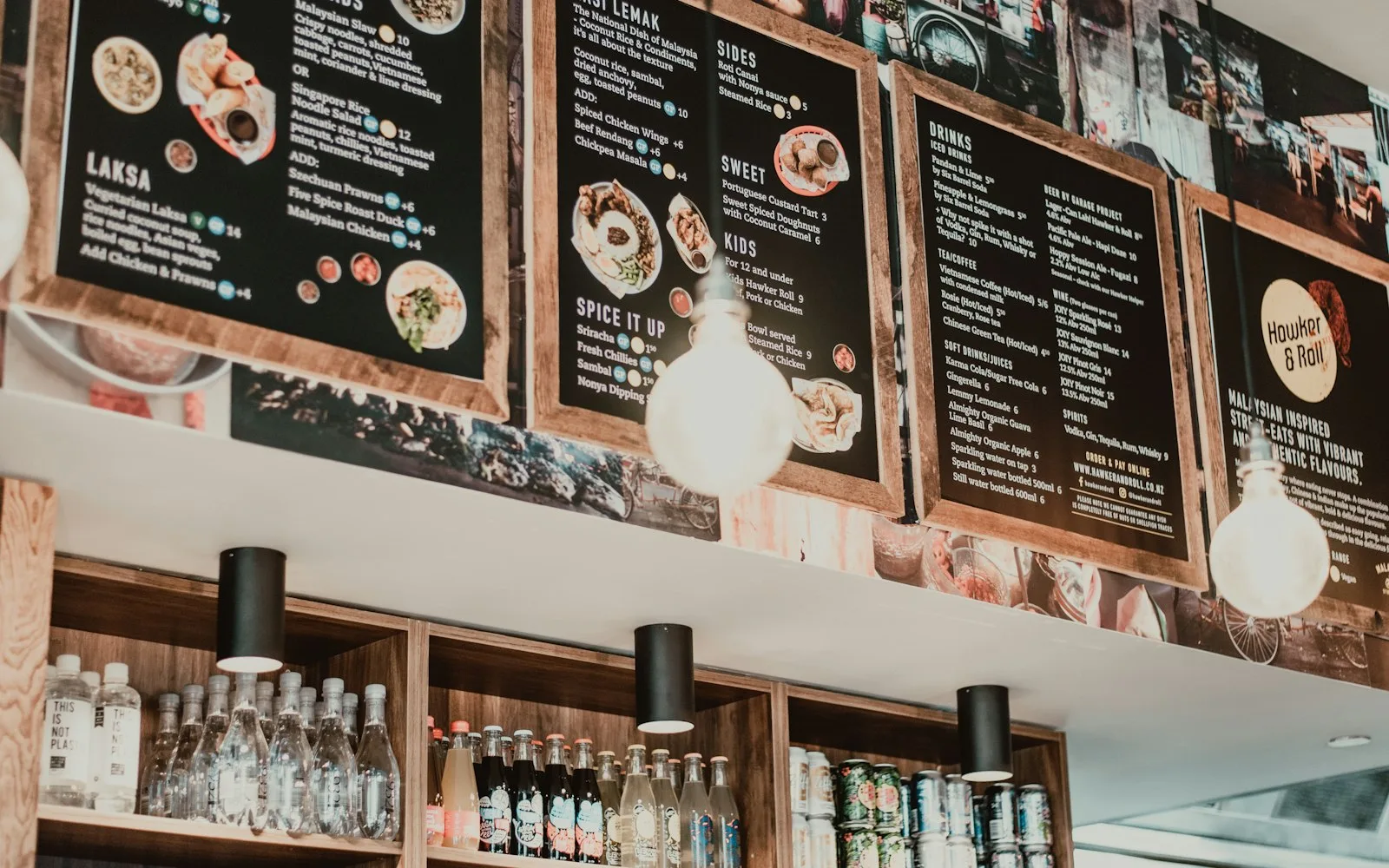
Digital signage isn't just for big chains anymore. An LCD menu board lets you change prices, 86 a flavor, or push a promo instantly — no reprinting — and keeps your colorful menu sharp. (More on going digital in a small shop.)
Provide excellent customer service
As a new business, you have a real chance to become known in the community — and it starts with great service. Remembering a regular's name or usual order is a surprisingly powerful way to make guests feel engaged. The little things go a long way.
FAQ: opening a boba tea shop
1. What should I consider when choosing a location? Foot traffic, visibility, and proximity to your target demographic — ideally a high-traffic area near colleges, parks or shopping districts. Also assess the competition and make sure the space fits your carry-out or dine-in plan.
2. How do I manage startup costs? Build a detailed plan covering rent, equipment, ingredients and staff; research cost-effective suppliers; consider financing or investors; and budget for marketing and unforeseen expenses.
3. What should the menu include? Design around your demographic — milk teas, fruit teas and smoothies with customizable sugar and ice, popular toppings like pearls, jelly and pudding, and complementary snacks to round it out.
4. How can technology improve efficiency? Self-ordering kiosks for customization, online ordering, and digital payments cut wait times, improve accuracy, and enhance the experience; digital signage keeps your menu and promotions current in real time.
5. What are effective marketing strategies for a new shop? Lean on Instagram and TikTok to show off drinks and engage customers, host a grand opening with promotions, run a rewards program for repeat business, and collaborate with local influencers or businesses for visibility.
Take your boba shop to the next level with INFI
Opening a boba shop comes down to thoughtful planning and strategy — and the right technology makes it easier. Whether it's self-ordering kiosks, commission-free online ordering, or loyalty that works across both, INFI runs on the POS you already choose and helps you deliver a standout experience from day one. Schedule your free demo today.
See what INFI can do for your restaurant
Add self-ordering, online ordering, loyalty, and marketing on top of the POS you already run.
Book a Demo